Over the years, Crimppi has grown by doing things its own way. In its anniversary year, that approach also delivered the strongest result in the company’s history. CEO Timo Harri reflects on the company’s journey, the choices that have shaped it, and the principles that continue to guide how the company operates today.
Doing things its own way – from day one
From early on, Crimppi chose to support customers not only with manufacturing, but also with design input, material choices and logistics, with the ambition of offering a complete and reliable wire harness service.
“Crimppi was founded with a straightforward idea: to do things properly and in our own way,” says Harri.
“When I stepped in as CEO in 2013, I saw no reason to change it, only to build on it.”
For Crimppi, doing things its own way has meant trusting its own judgement rather than following trends.
“We have invested even when times were uncertain,” Harri notes.
“Not because growth itself was the goal, but because we believed in our way of working and wanted to be ready when demand returned.”
Growth through deliberate choices, not shortcuts
By doing things its own way, Crimppi has grown from around 30 employees in Finland in 2000 to a group of nearly 400 people through international expansion into China, Croatia and Latvia.
Rather than expanding in every possible direction, Crimppi has focused on deep expertise in wire harnesses and assembly, and on building long-term customer relationships based on trust, open communication and reliability.
A deliberate effort has also been made to build a broad enough customer base to support long-term stability and risk management. Another decisive step was the introduction of a shared ERP system across all factories. While a major investment, it provided the transparency, control and scalability needed to support higher volumes and more complex operations.
“Without a common system and unified data, the level of growth we’ve achieved simply wouldn’t have been possible,” Harri says.
Shared ways of working across borders
As Crimppi has grown, maintaining a shared culture and common ways of working across borders has been essential. All Crimppi factories operate under the same management systems and certified quality, environmental, occupational health and safety standards.
“Consistency creates trust, both internally and externally,” Harri says. “Our customers know what to expect, and our people know what they can rely on.”
Crimppi invests heavily in onboarding and training to ensure that these principles are applied in everyday work across all locations from day one.
Responsibility as a business choice
Sustainability was integrated into Crimppi’s operations early, not because it was required, but because the company believed it would matter for long-term competitiveness.
“It reflects a way of thinking that has long guided our decisions: if you are not ahead, you are behind,” Harri says.
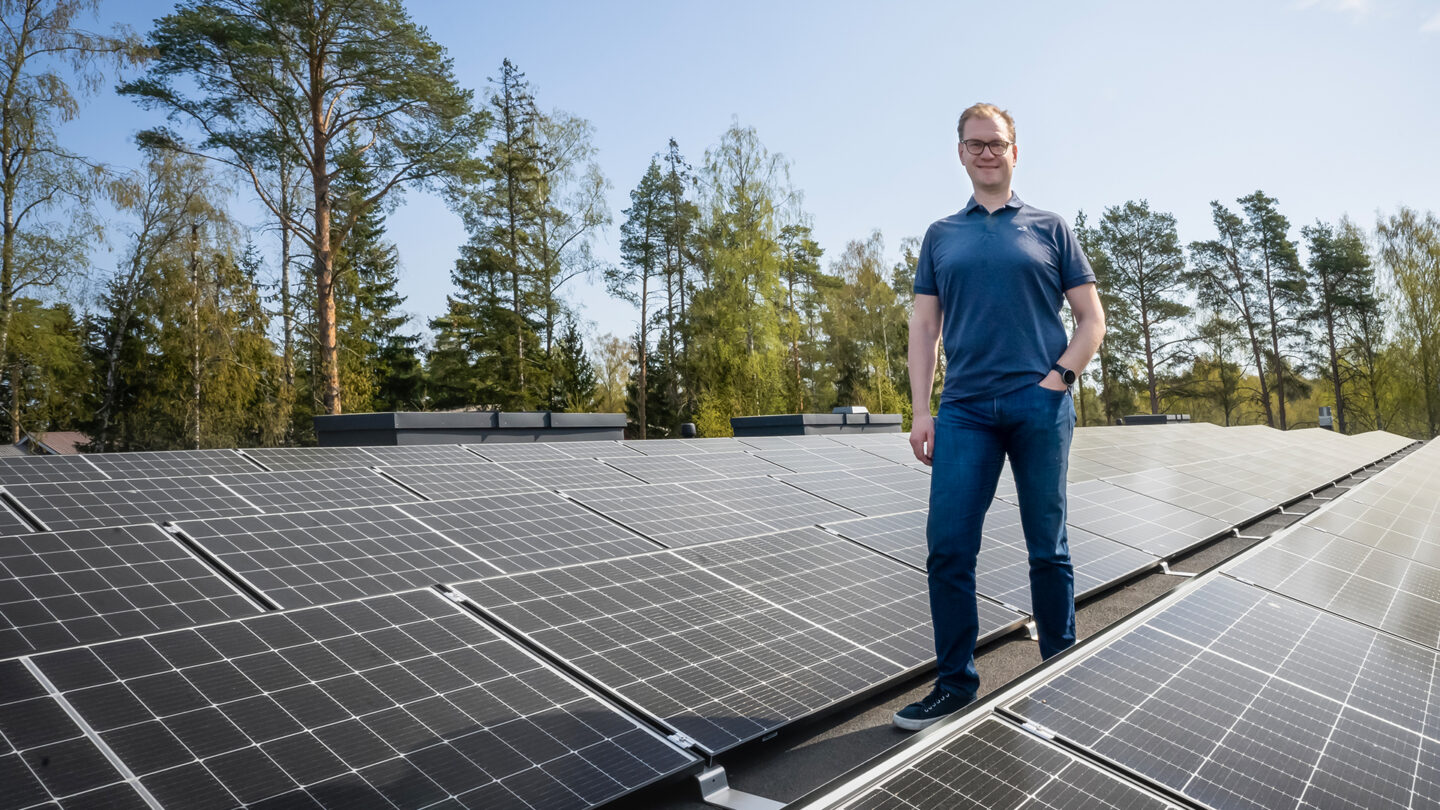
A concrete milestone in this work was reached in 2024, when Crimppi’s Vaasa factory became carbon neutral in its own operations.
Proud of what we’ve built – and motivated to continue
In 2025, Crimppi achieved the highest turnover in its history across the entire group, with strong growth compared to the previous year. For Harri, the result reflects long-term work done together, rather than a single breakthrough.
“I want to thank everyone, our employees and our customers,” Harri says.
“Together, we made 2025 an exceptional year. I’m proud of what we’ve built, and motivated to continue developing and building what comes next.”
Crimppi at a glance
Founded: 2000
CEO: Timo Harri
Headquarters: Vaasa, Finland
Operations in: Finland, China, Croatia and Latvia
Employees: Nearly 400
Business: Manufacturing of wire harnesses and electromechanical assemblies
Customers: International industrial customers across multiple sectors
Certifications: ISO 9001, ISO 14001, ISO 45001, ISO 27001 and UL certified
Sustainability: Vaasa factory carbon neutral in its own operations since 2024
Sustainability rating: EcoVadis bronze (2025)
Key figures 2025
- Turnover: EUR 33 million. Highest in the company’s history (group level)
- Growth 2025 vs. 2024: Approximately +20% (group level)
- Investments: Continued investments in automation, production capacity, systems and skills